
SA Driver Training Reforms: What the 2027 Overhaul Means for Driving Instructors
2026-06-24
Mini Driven 1
2026-09-24
source: https://dit.sa.gov.au/driver-training-reform/home
Legislation has passed to:
- address corruption and sexually predatory behaviour in the driver training sector
- improve the skills of drivers
- reduce costs for learner drivers.
The reforms are in response to our review into the industry. This is supported by the Independent Commission Against Corruption (ICAC).
The proposed reforms will strengthen industry standards. They will also safeguard learner drivers against inappropriate and criminal behaviour.
We are committed to:
- protecting people’s safety and welfare, particularly young people and vulnerable South Australians
- ensuring drivers are properly trained and assessed.
Driver training and testing services will be fair and available to everyone in the community, including:
- people who live in remote or country areas
- people living with disabilities
- people from different cultural and language backgrounds.
Key changes
There are several changes under the proposed suite of legislative reforms.
Practical driving tests
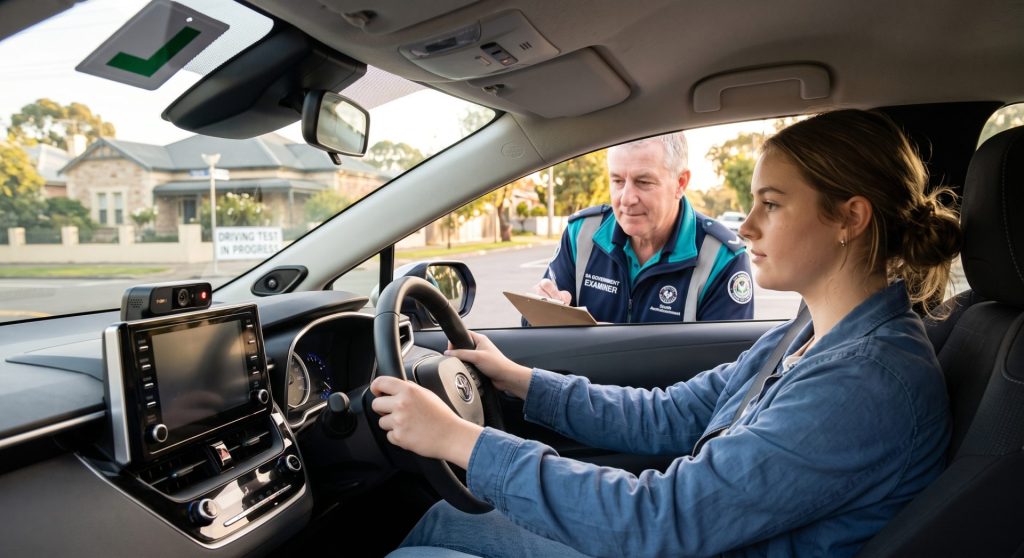
Learners will have to pass a practical driving test with a government examiner to get their provisional licence. This new test is being developed to draw on the current assessment standards. It aims to enhance hazard recognition and response, and promote safe and courteous driving behaviours.
Government examiners will conduct practical driving tests for Class C (car) licences, instead of private instructors.
To enter the industry and maintain accreditation, motor driving instructors will need to demonstrate competency and get:
- working with children checks and police clearance
- medical fitness to drive certificates
- enhanced practical driving and theory test skills.
Improved standards
Standards of acceptable behaviour will be officially set out in a required Code of Conduct that all motor driving instructors must follow. This code sets a high level of professionalism that reflects community expectations. There will be consequences for anyone who doesn’t follow it.
Along with the new code, there will also be new rules about the cars used for driving lessons and tests. These rules will require cars to have dual brakes, cameras and GPS devices inside. They will help to keep instructors, examiners, and students safe.
Driving instructors will also need to:
- follow new rules about the information they give students when starting lessons
- have a contract in place before lessons begin.
This includes:
- clearly explaining their prices
- what’s included in the lessons
- cancellation policies
- refund rights.
To help everyone understand the changes, we are creating clear and easy-to-follow guides. These will explain the steps learners need to take to get their P-plates. They will be useful for learners, parents and instructors.